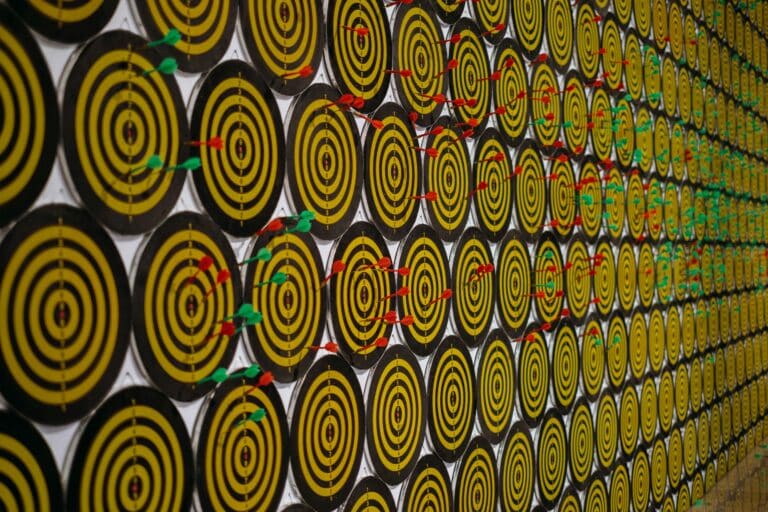


In almost every conversation about A.I., you hear the same combination of enthusiasm and reassurance. People see the opportunities, they find it exciting. And at the same time: they are not worried at all. That A.I. will fundamentally affect their profession? Surely it will not happen that quickly. This is a remarkable pattern. People consistently estimate the impact of A.I. on others to be greater than its impact on themselves. It is called optimistic bias: the rock-solid belief that you, with your specific work, will fall just outside the firing line.
You see what you do. You do not see what you are.
Everyone wants to take part. Nobody wants to be replaced. The people whose jobs have already disappeared through automation, from travel agency employees to telephone operators, thought so too. Not because they were stupid, but because it is difficult to see from the inside what a technology does to your field. You see what you do. You do not see what you are. An accountant sees: guiding clients, thinking through complex situations, building trust. An outsider sees: entering data, applying rules, producing standard reports. The first is difficult to automate. The second is exactly what A.I. already does.
Read this article in full
Become a Werf& member for unlimited access to all articles, research and exclusive insights into the labour market.
No obligations Cancel anytime Secure payment
Related event
Strategisch Recruitment in de praktijk
De tweedaagse voor de strategische praktijk onderbouwt met de laatste innovaties, data, en modellen In de hedendaagse wereld van schaarste, tekorten en ‘de war for talent’ binnen talent acquisition is een strategische kijk en aanpak van recruitment essentieel. Deze tweedaagse training ‘Strategisch Recruitment in de praktijk’ biedt je de handvatten om recruitment naar een modern […]
Rotterdam