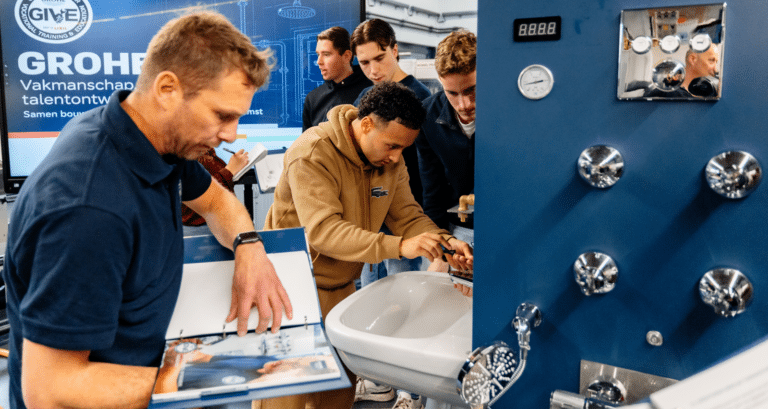
We have discussed the rise of vocationally educated people, practically trained workers and ‘people who can do things with their hands’ here before. Demand for them is greater than ever, enrolment from training programmes is low, their vacancies remain open for longer, and more and more organisations are at a loss as to how to reach so-called blue-collar workers – and persuade them to switch jobs. Whilst there are more and more highly educated people, the number of practically trained people is lagging behind demand. Strikingly, however, the pay of ‘doers’ barely keeps pace with that of the more theoretically educated – market forces apparently barely do their job here.

It is also starting to be noticed abroad. News Letter editor Ben Lowry recently described ‘one of the greatest injustices in modern societies’ when writing about the structural underpayment of practically trained workers. ‘I mean the unfairness of people doing hard physical work or unpleasant jobs such as working in sewers and then, on top of the misery of their job, being poorly paid.’
Read this article in full
Become a Werf& member for unlimited access to all articles, research and exclusive insights into the labour market.
No obligations Cancel anytime Secure payment