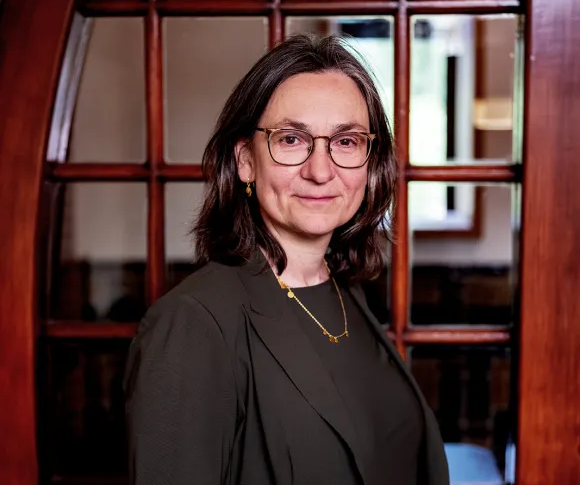
As a professor in Nijmegen and director of the Centre for Migration Law, Tesseltje de Lange has been researching the regulation of migration and integration in the Netherlands and the EU for many years. She sees many bottlenecks in the way labour migration for tradespeople is currently organised in the Netherlands, but also opportunities. At the conference on the internationalisation of the Dutch labour market on 9 September, she therefore wants to issue a call to action to entrepreneurs to seize those opportunities. How does she envisage this? Here is a brief preview.
‘Employers look for workarounds or throw in the towel altogether.’
‘Dutch regulations do not offer employers many choices’, Tesseltje de Lange states clearly from the outset. ‘The current rules mainly create obstacles for labour migration from outside the EU, so-called third-country nationals, with expatriates and highly skilled migrants exempted. For tradespeople from outside the EU, the opportunity to work legally is therefore limited, though not impossible. However, employers often do not know how to make use of the opportunities that do exist. As a result, employers look for workarounds or throw in the towel altogether.’
Read this article in full
Become a Werf& member for unlimited access to all articles, research and exclusive insights into the labour market.
No obligations Cancel anytime Secure payment