It may seem as though the biggest problems are somewhat behind us. But if you follow the news about staff shortages, the situation often still proves to be dire. In construction, for example, 80% of entrepreneurs are still affected by them (with an increasing risk of accidents), as are many in hospitality, childcare, accountancy, general practice or local authorities. Last week, the Zuyderland hospital even had to announce that it would close its acute care department for months due to staff shortages. The number of vacancies has been at a record level for three years now, and the widely expected decline still does not seem to be materialising.
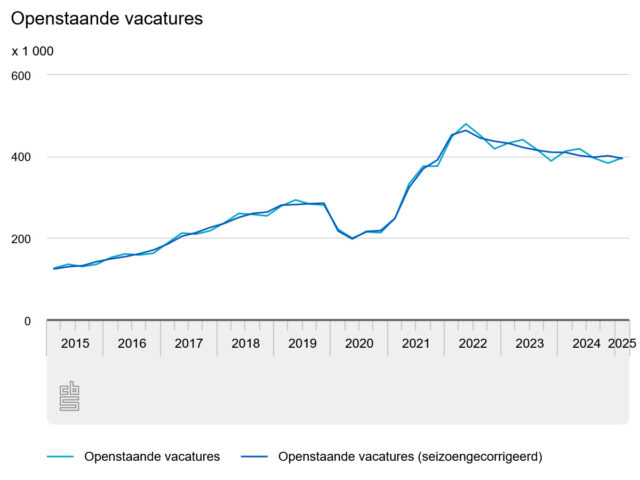
These days, you can encounter staff shortages everywhere. Whether it is a swimming pool, GAMMA, an operating theatre or a court that is closed: increasingly, the argument is cited that staff simply cannot be found, and that the doors must therefore remain closed. They were once exceptions; now they are everyday realities. The Netherlands is facing a structural shortage of workers – and the end is nowhere in sight, writes Barbara Baarsma, PwC’s well-known chief economist, in the latest issue of ESB. ‘This is not a temporary phenomenon, but a fundamental challenge for the coming decades.’
Read this article in full
Become a Werf& member for unlimited access to all articles, research and exclusive insights into the labour market.
No obligations Cancel anytime Secure payment