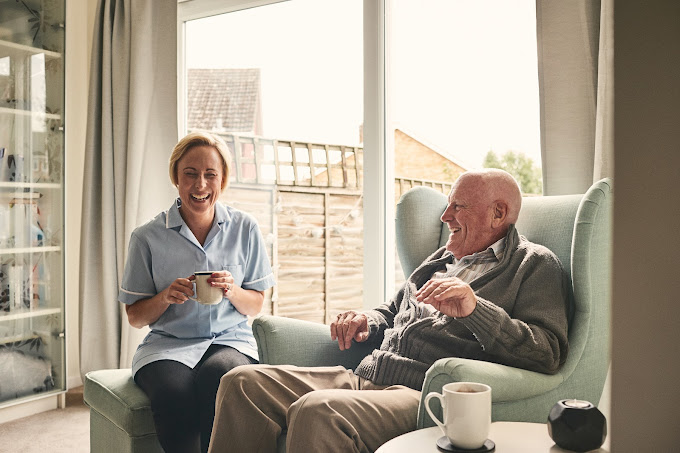
When Menny Landman came into contact with an elderly woman who felt unsafe at night some 25 years ago, she began looking for a self-employed care provider who could stay with the woman overnight. That proved far from easy, and Landman discovered that regular care often did not meet people’s needs when more care was required or when care became more complex. The care model she subsequently developed grew over the following quarter of a century into Standby Zorg, a specialist in palliative and dementia care, with more than 400 active self-employed care providers currently registered, with different qualities, preferences and levels of experience.
Standby Zorg does a number of things quite differently from other home care organisations.
The organisation does a number of things (quite) differently from other home care organisations. Whilst regular home care, for example, usually follows routes with short care visits, Standby Zorg visits people at home from 3 consecutive hours up to 24 hours. This also means help with everyday tasks, such as putting on the washing machine, doing the shopping together, or changing flowers. And there is another important difference from many other home care organisations: Standby Zorg does not employ the care providers itself, but works with self-employed professionals, whom it matches with clients.
Read this article in full
Become a Werf& member for unlimited access to all articles, research and exclusive insights into the labour market.
No obligations Cancel anytime Secure payment

Freshheads
Freshheads brengt organisaties vooruit met zinvolle digitale diensten. We zijn er in alle onmisbare fases van dit proces: van eerste idee voor een dienst tot ee…