As if we did not already know, a new Indeed report underlines it once again. Wellbeing at work is vital for every organisation. And therefore something every recruiter should take seriously. Of the more than 1,500 Dutch professionals they recently surveyed, no fewer than 82% say it is important to find a company that cares about how you feel. People with low levels of wellbeing at work are also 3 times more likely to be actively looking for a job. And no fewer than 95% of jobseekers say they would like to see wellbeing data before attending a job interview anywhere.
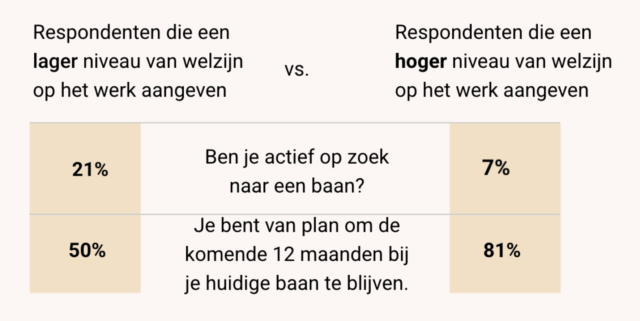
A genuine talent magnet
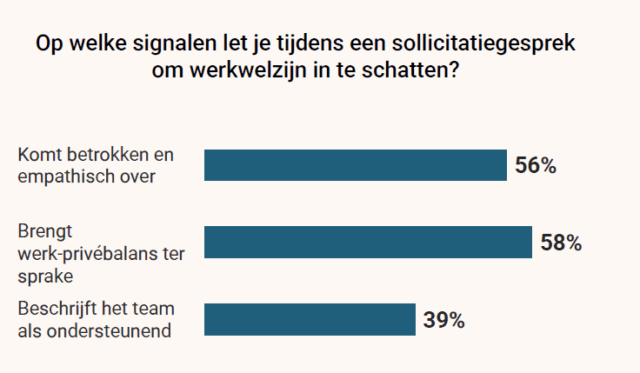
Wellbeing is a genuine talent magnet, the research states. Many candidates, for example, look for signals about work-life balance during job interviews, such as the interviewer’s behaviour and what is discussed. Does the interviewer come across as engaged and empathetic? Do they describe the team as supportive? Is work-life balance discussed? For many jobseekers, it appears to be more or less decisive, according to the researchers from the job site.
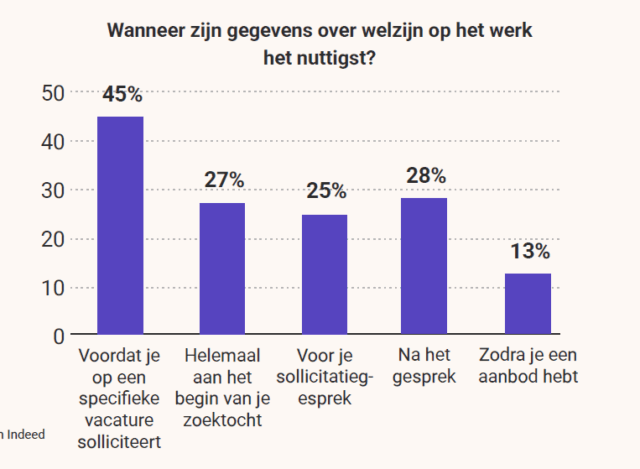
Candidates also appear to seek information in other ways about what the wellbeing culture looks like at your organisation. They look at your own website, but also research Indeed, Glassdoor or LinkedIn, or contact current or former employees. Low staff turnover, few burnouts, and the ability to work flexibly are, incidentally, more important indicators of high wellbeing for them than, for example, the presence of mental health programmes, or clear, measurable targets for employee wellbeing.
Wellbeing pays off
Noteworthy in the research: only 14% of respondents say they believe companies genuinely care about wellbeing at work and therefore genuinely prioritise it. However, 44% believe their own organisation does everything it can to improve employee wellbeing, and 45% also say their organisation tries to measure it. Sensible, according to Indeed’s researchers, because companies where employee wellbeing is higher demonstrably perform better in almost every respect than organisations where employees are less satisfied – including in A.I. adoption.
‘This goes beyond employee experience,’ says Kyle M.K. (photo above), senior talent adviser at Indeed and author of the book The Economics of Emotion. ‘This is about remaining competitive, staying ahead in A.I. developments and your right to exist as a company.’ According to the new Indeed research, the importance of wellbeing is even rising sharply: 34% of respondents say their expectations for wellbeing at work are higher than a year ago, and this is particularly the case among the youngest generations (Generation Z: 49%). Work also continues to be the biggest source of stress in people’s daily lives.
‘Leaders attract the best talent; those falling behind lose ground.’
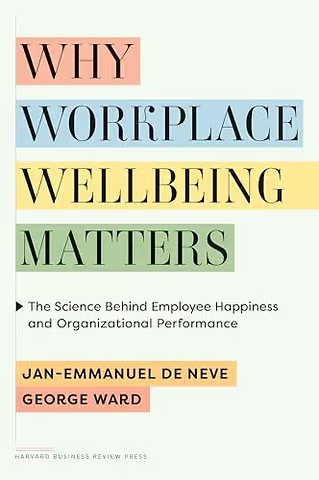 Referring to the book published this year, Why Workplace Wellbeing Matters, the researchers state that ‘the future remains uncertain, but one thing is clear: companies that put people first adapt better, score higher on all key HR metrics and consistently outperform the market.’ They also state: ‘Transparency about wellbeing at work is becoming important in employer branding. Leaders attract the best talent; those falling behind may lose ground in the competitive labour market.’ A remarkable and welcome message, at a time when absence figures are soaring.
Want to know more?
Download the full research here
Indeed Wellbeing

Indeed
Op Indeed vinden meer mensen een baan dan waar dan ook. Indeed is de nummer 1 vacaturesite (SimilarWeb, totaal aantal bezoeken, juli 2024), niet alleen in ons l…