


In this section, we highlight a word from the world of work and recruitment every week. This week: botsitting. The term was coined this year by the Work AI Institute at Glean, in the Work AI Index 2026. For this research, Glean surveyed 6,000 office workers in the United States, the United Kingdom and Australia, with the involvement of researchers from, among others, Stanford and UC Berkeley.
Botsitting is the bill that nobody had budgeted for, for a promise that everyone embraced.
The outcome reads like a paradox. On the one hand, 87% of employees now say they use AI, saving an average of no fewer than 11 hours of work per week. Yet only 13% say that their organisation has actually performed better as a result. So where does that saved time go? A considerable part of it goes to botsitting, it turns out: an average of 6.4 hours a week spent on work that nobody planned, let alone budgeted for, but which must be done to keep the bots in line.
Read this article in full
Become a Werf& member for unlimited access to all articles, research and exclusive insights into the labour market.
No obligations Cancel anytime Secure payment
Related event
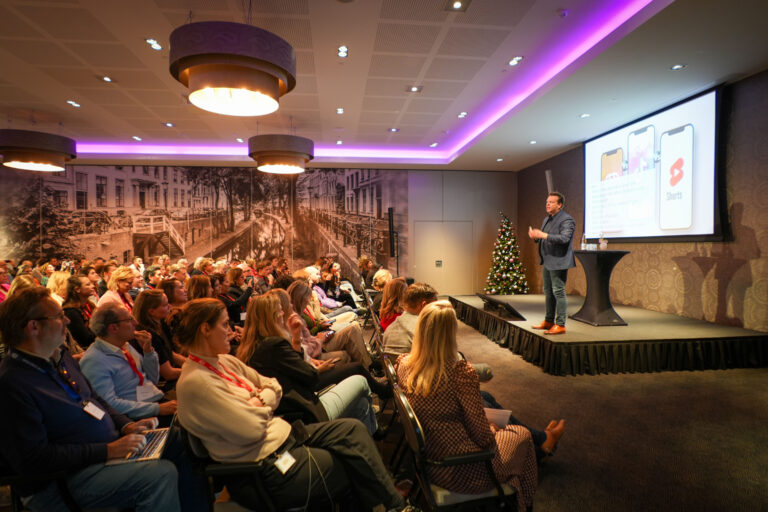
Arbeidsmarkttrends 2027-2030
We zijn uitverkocht. Maar goed nieuws!Arbeidsmarkttrends 2027-2030 is volgeboekt. Goed nieuws: op 28 januari 2027 organiseren we een tweede editie, met dezelfde sprekers en hetzelfde programma. Zorg dat je er alsnog bij bent.Bekijk de editie van 28 januariAl jaren geven de beste sprekers en specialisten een arbeidsmarktupdate en een doorkijkje naar de arbeidsmarkt van de […]
Odido


