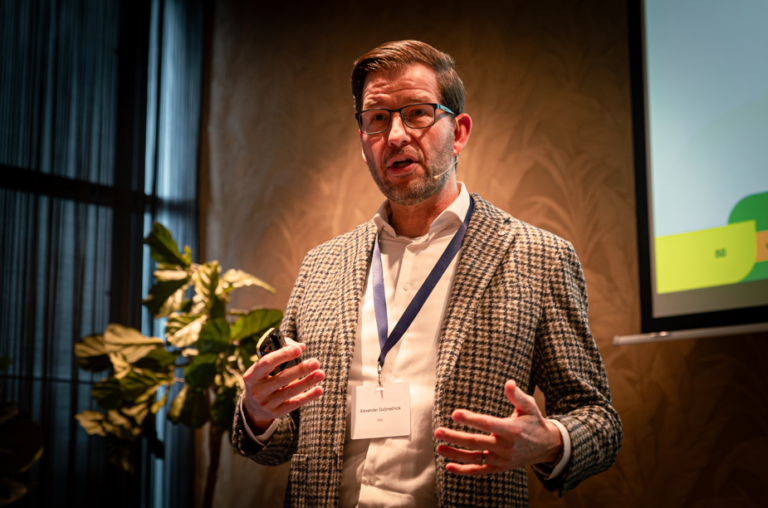
‘The way we process, analyse and structure information is now embedded in technology. A.I. has therefore become a kind of framework for cognitive work: incredibly fast, high quality and at virtually zero cost.’ This development, says Jarno Duursma, has direct consequences for how organisations view junior staff. And no, A.I. is not replacing entry-level roles en masse, but the cognitive work traditionally entrusted to starters is suddenly acquiring a different economic logic, according to him. ‘When the costs of cognitive work fall so radically, that automatically affects who you hire and what for.’
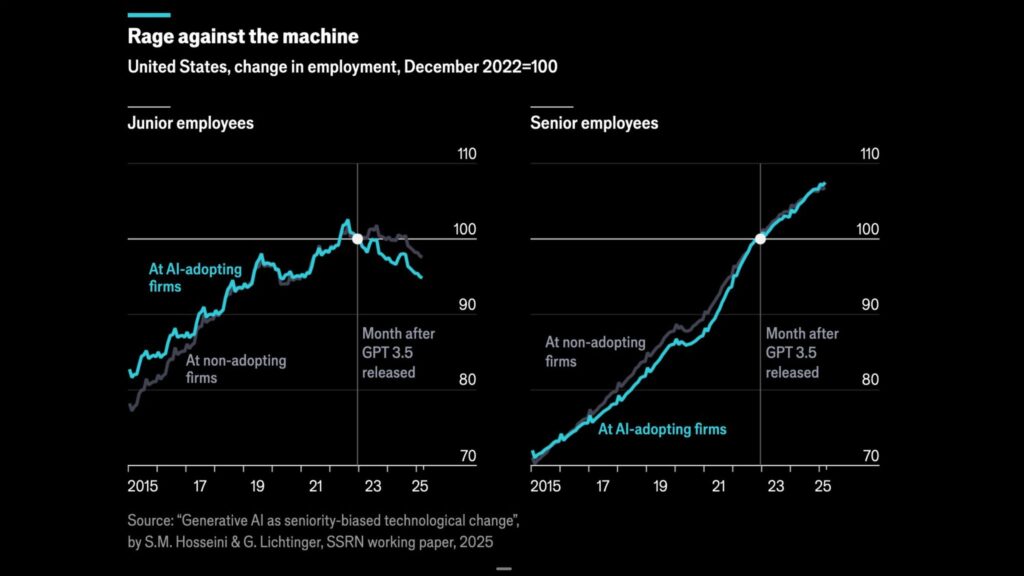
Duursma recognises the figures from the recent Stanford study, which cites a decline in junior roles within 1.5 years of A.I. adoption. ‘I know that study well. But to be honest, I have been hearing the same thing in practice for some time. Not just in one sector, but broadly across knowledge-intensive professions.’ Even in sectors where labour shortages have traditionally been significant, such as accountancy, he now sees that tension emerging. ‘It is precisely there that the pressure from A.I. is already enormous, because the work is so knowledge- and document-driven. That makes it both scarce and susceptible to disruption.’
Read this article in full
Become a Werf& member for unlimited access to all articles, research and exclusive insights into the labour market.
No obligations Cancel anytime Secure payment