The problem is certainly not new. Or unknown. But the more pronounced the ageing of the labour market, the bigger it seems to become. Age discrimination is already the most common form of discrimination in recruitment. And little indicates that this will change anytime soon. As British tech recruiter Mark Dawkins recently highlighted once again, based on research by the NBER, BLS, ONS and AARP, plus a meta-analysis of all major correspondence studies from the past decade, compared with data from recruitment platforms for 2025/2026:
- A 25-year-old now needs around 140 to 330 applications to receive one job offer.
- A 50-year-old? 420 to 800.
- A 60-year-old? 630 to 1,170.
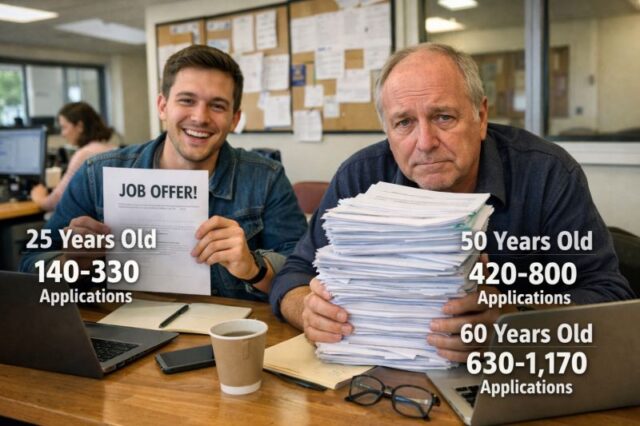
For someone in their fifties, the chance of receiving an invitation is therefore 3 times smaller than for a 25-year-old. ‘That is not a typo. That is reality,’ says Dawkins. ‘And the figures are almost certainly conservative too, because these studies were conducted when the labour market was healthier. But when the labour market becomes tighter, it is older workers who suffer most. The real figures today? Probably even worse.’
Read this article in full
Become a Werf& member for unlimited access to all articles, research and exclusive insights into the labour market.
No obligations Cancel anytime Secure payment
Related event

Leergang Strategisch Recruitment | UITVERKOCHT
Ben je klaar om je recruitmentcarrière naar een hoger niveau te tillen? De Leergang Strategisch Recruitment biedt je de perfecte mogelijkheid om je kennis te verdiepen en je professionele groei te versnellen. Als ervaren recruiter of recruitmentmanager ontwikkel je strategische inzichten en vaardigheden die je een sterke en leidende gesprekspartner maakt voor het management. Je […]
Rotterdam