The contrast could hardly be greater. On one side, the Dutch energy transition: a multibillion-euro operation that is creaking under the strain of an acute shortage of well-trained technicians. On one side, traditional construction giants having to turn down contracts because there is simply nobody to lay the cables in the ground. And on the other side fues: a Rotterdam scale-up founded in 2019 by 3 skilled professionals with 1 van, which today employs more than 300 professionals across 5 locations, with the motto: ‘We do not just lay cables. We lay the foundations for tomorrow.’
The traditional CV? At fues, it is secondary.
As the icing on the cake, the company was recently selected as 1 of the 12 key players in Stedin’s ‘Neighbourhood approach‘ – a mega-deal worth 3.5 billion euros in total, intended to make 3,000 neighbourhoods ready for the future. How does a relative newcomer pull that off in a market that is completely stuck? The answer does not lie in complicated acquisition strategies or aggressive LinkedIn recruitment, but in a fundamentally different view of human capital. Whilst the sector largely clings to strict certificates, years of experience and perfect career paths, fues deliberately looks the other way. The traditional CV? It is secondary there.
Read this article in full
Become a Werf& member for unlimited access to all articles, research and exclusive insights into the labour market.
No obligations Cancel anytime Secure payment
Related event
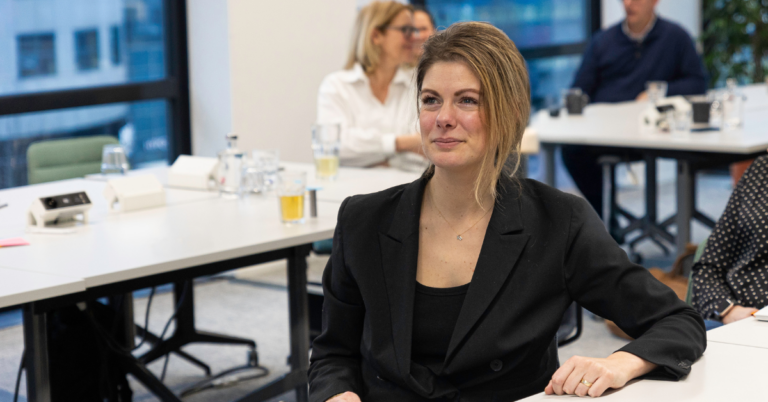
Strategisch Recruitment in de praktijk
De tweedaagse voor de strategische praktijk onderbouwt met de laatste innovaties, data, en modellen In de hedendaagse wereld van schaarste, tekorten en ‘de war for talent’ binnen talent acquisition is een strategische kijk en aanpak van recruitment essentieel. Deze tweedaagse training ‘Strategisch Recruitment in de praktijk’ biedt je de handvatten om recruitment naar een modern […]
Rotterdam