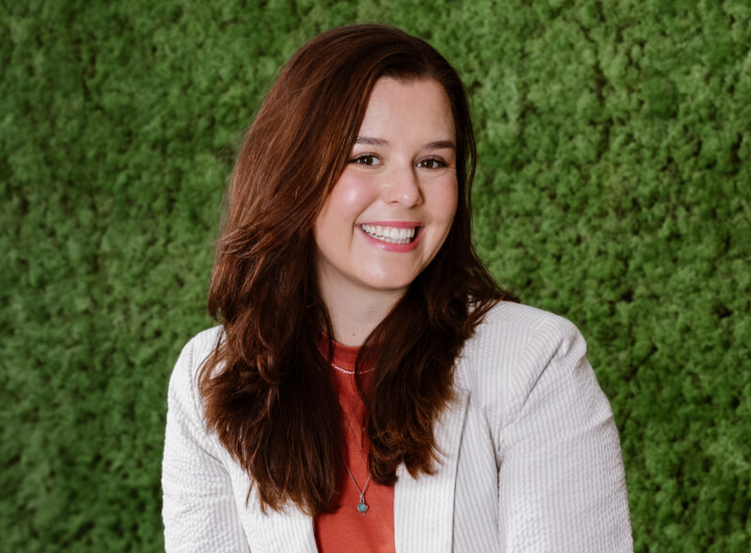
When her daughter was just eleven, it was decided whether she should go on to vmbo, havo or vwo. Based on one type of ability: being good at learning in primary school. ‘But that says nothing about your talent, your interests or what will help you flourish later in life,’ says Merel T. Feenstra-Verschure, Assistant Professor of organisational psychology and organisational behaviour at TIAS School for Business and Society. ‘We think young people will no longer be needed because A.I. will take over routine tasks,’ she says. ‘But in fact, we have built a system that sidelines young people much earlier.’

According to Feenstra-Verschure, this early sorting of young people is no longer sustainable today. ‘You create paths that young people can barely deviate from. And if they later discover that it does not suit them, they are stuck. I see people who have worked in offices for years because they were good at learning, but would actually rather work with their hands. They only discovered much later that their talents lie elsewhere.’
Read this article in full
Become a Werf& member for unlimited access to all articles, research and exclusive insights into the labour market.
No obligations Cancel anytime Secure payment