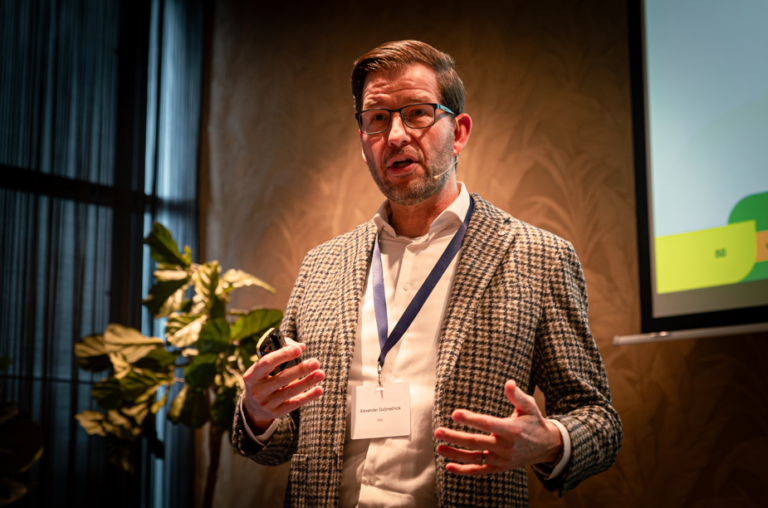
Talent Intelligence? For Joost Heins, Global Head of Intelligence at Randstad Enterprise, it is far more than a buzzword. ‘For me, it represents a crucial evolution in recruitment,’ he says. Overall, he sees two main objectives: on the one hand, maturing talent practices and, on the other, helping HR to become a ‘strategic enabler‘. ‘Talent intelligence enables HR professionals to be more precise, targeted and diligent. By using data and analysis, we can leave intuition-based decision-making behind and move towards more evidence-based practices.’
‘Talent Intelligence can be the key that unlocks HR’s potential to become a genuine strategic partner.’
Talent Intelligence can therefore be the key that ‘unlocks HR’s potential to become a genuine strategic partner within the organisation’, according to Heins. ‘By gaining data-driven insight into workforce capabilities, market trends and skills gaps, HR can proactively shape the future of its organisation. By connecting business objectives, talent needs and market realities through data, HR changes from a support function into a crucial driving force behind business strategy and execution.’
Read this article in full
Become a Werf& member for unlimited access to all articles, research and exclusive insights into the labour market.
No obligations Cancel anytime Secure payment

Talent Intelligence Collective
The Talent Intelligence Collective endeavors to develop, support and inspire its members as well as promote ethical integrity and best practice in all aspects o…