Some will see it as an enticing prospect, others as a dystopian vision of the future. Either way, International Workplace Group, known for brands such as Regus and Spaces, recently asked 1,000 HR managers and employees in both the UK and the US how they think the office of the future will look. All these forecasts were then brought together in the futuristic report Work Reimagined: The Office of 2050, which shows that major changes are expected. Which 7 stand out the most? A brief tour of futurism, in 7 parts:
#1. Brain implant as a tool
The report’s most striking finding is probably also immediately its most futuristic: neural implants – chips that connect the human brain directly to external devices – are seen by both HR leaders (33%) and employees (26%) as the most important emerging technology for the workplace of 2050. Companies such as Synchron and Neuralink are already working on practical applications. What still seems like science fiction today is already on the radar of a substantial proportion of the professionals surveyed as a serious workplace reality in 25 years’ time.
Read this article in full
Become a Werf& member for unlimited access to all articles, research and exclusive insights into the labour market.
No obligations Cancel anytime Secure payment
Related event
Arbeidsmarkttrends 2027-2030
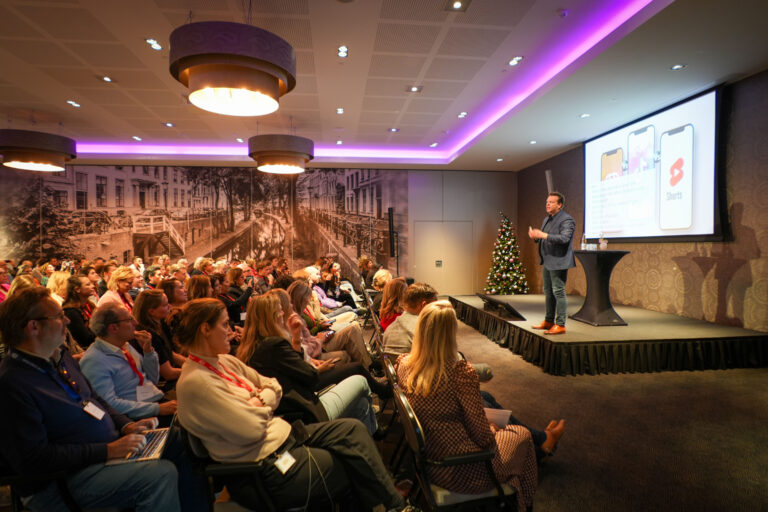
We zijn uitverkocht. Maar goed nieuws!Arbeidsmarkttrends 2027-2030 is volgeboekt. Goed nieuws: op 28 januari 2027 organiseren we een tweede editie, met dezelfde sprekers en hetzelfde programma. Zorg dat je er alsnog bij bent.Bekijk de editie van 28 januariAl jaren geven de beste sprekers en specialisten een arbeidsmarktupdate en een doorkijkje naar de arbeidsmarkt van de […]
Odido