On Funda , AI-corrected photos are increasingly being used to make properties look larger and more attractive or to conceal defects. Estate agents officially use this mainly to provide inspiration, but as a buyer, this does not always give you a realistic picture of a property. This creates false expectations, as Radar concluded last month.
39.4% have at some point started a job that was not what they expected.
It is not always any different in the labour market. False expectations are a growing problem here too: Selection Lab asked 808 candidates whether they had ever left a job within the first few months because it did not match their expectations: 21.3% said yes. That is already a sizeable group in itself, but the story does not end there. Another 18.1% found the job disappointing but stayed nevertheless. Add those 2 groups together and 39.4% have at some point started a job that was not what they thought it would be.
Read this article in full
Become a Werf& member for unlimited access to all articles, research and exclusive insights into the labour market.
No obligations Cancel anytime Secure payment
Related event
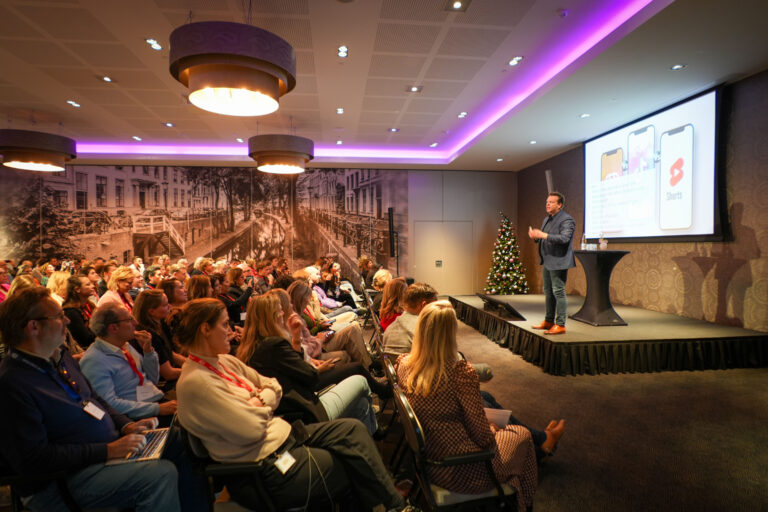
Arbeidsmarkttrends 2027-2030
We zijn uitverkocht. Maar goed nieuws!Arbeidsmarkttrends 2027-2030 is volgeboekt. Goed nieuws: op 28 januari 2027 organiseren we een tweede editie, met dezelfde sprekers en hetzelfde programma. Zorg dat je er alsnog bij bent.Bekijk de editie van 28 januariAl jaren geven de beste sprekers en specialisten een arbeidsmarktupdate en een doorkijkje naar de arbeidsmarkt van de […]
Odido