The years 2025 to 2027 mark a turning point in the Dutch labour market, particularly for starters and interns. After years of unprecedented scarcity, in which employers fought for every young applicant, we are now seeing a shift. For various reasons, starters are having a much tougher time than other age groups. This group is disproportionately interested in and dependent on flexible work. All legislation surrounding the DBA Act, the new agency workers’ collective agreement, the forthcoming Wtta, and all other legislation concerning platforms and zero-hours contracts is causing significant reductions in demand, with young people bearing the brunt.
The effects of curling parents and Covid should not be underestimated either.
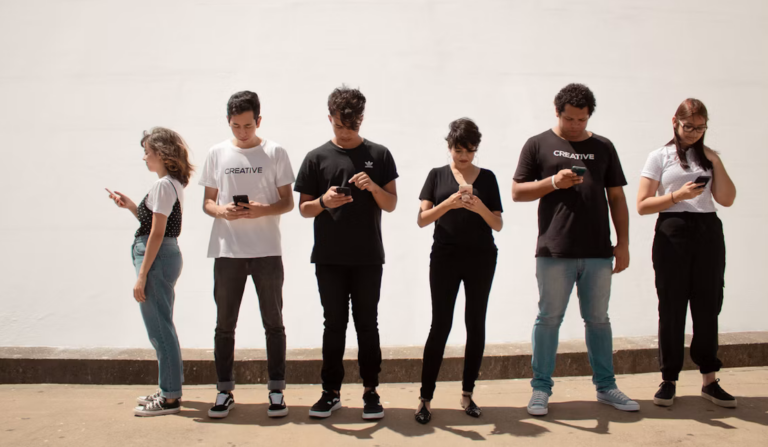
In addition, the rise of A.I. is playing out in the background. It is changing demand, causing a mismatch in the short term and, it is expected, creating additional opportunities for entry in the long term. As a final hurdle, the effects of curling parents and Covid should not be underestimated. Among other things, the current generation lacks essential resilience skills, such as communication skills like making telephone calls. As a result, the risk of mismatch and costly dropout/absence has become an increasingly significant risk for employers. And that too suppresses demand. For many employers, the risk of absence and the ‘Gen Z hassle risk’ is simply too great.
Read this article in full
Become a Werf& member for unlimited access to all articles, research and exclusive insights into the labour market.
No obligations Cancel anytime Secure payment
Related event
Leergang Strategisch Recruitment | UITVERKOCHT
Ben je klaar om je recruitmentcarrière naar een hoger niveau te tillen? De Leergang Strategisch Recruitment biedt je de perfecte mogelijkheid om je kennis te verdiepen en je professionele groei te versnellen. Als ervaren recruiter of recruitmentmanager ontwikkel je strategische inzichten en vaardigheden die je een sterke en leidende gesprekspartner maakt voor het management. Je […]
Rotterdam