You have spent months searching in a tight market. The candidate you eventually put forward had the right CV, strong references and a good rapport in the interviews. The manager was pleased and you could move on to the next vacancy. Yes! But 3 months later, you suddenly hear through the grapevine that collaboration within the team is not going smoothly after all. Why is that? Team research offers an explanation that is uncomfortable for anyone who selects on individual quality. A team that looks right on paper can simply collaborate poorly in practice. The good news? As a recruiter or HR professional, there is more you can do about it than you might think…
A smart team is not the same as a group of smart people.
A smart team is not the same as a group of smart people. In 2010, researchers from Carnegie Mellon and MIT published a study in Science that makes this point forcefully. Anita Woolley and her colleagues had 699 people in groups of 2 to 5 carry out all kinds of tasks, from brainstorming to negotiating. This showed that groups have their own measurable collective intelligence, which is barely related to the combined IQ of their members. Even the IQ of the smartest group member appears to predict very little. In other words: put 1 Einstein in the group, and things do not automatically improve.
Read this article in full
Become a Werf& member for unlimited access to all articles, research and exclusive insights into the labour market.
No obligations Cancel anytime Secure payment
Related event
Arbeidsmarkttrends 2027-2030
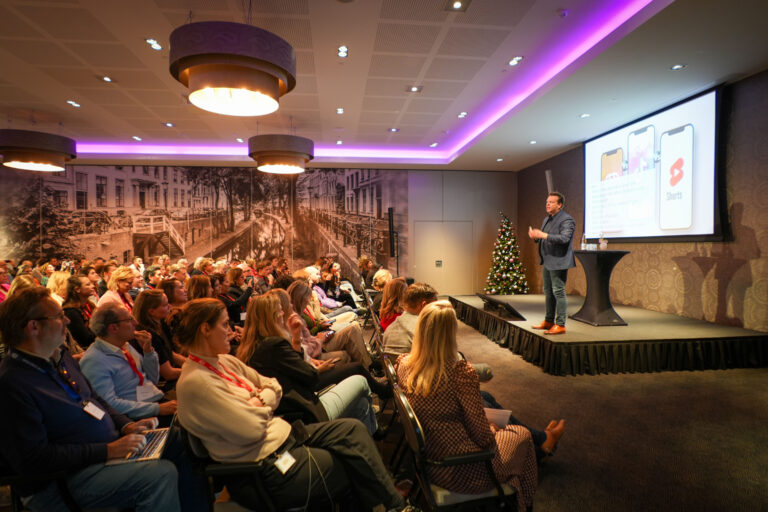
We zijn uitverkocht. Maar goed nieuws!Arbeidsmarkttrends 2027-2030 is volgeboekt. Goed nieuws: op 28 januari 2027 organiseren we een tweede editie, met dezelfde sprekers en hetzelfde programma. Zorg dat je er alsnog bij bent.Bekijk de editie van 28 januariAl jaren geven de beste sprekers en specialisten een arbeidsmarktupdate en een doorkijkje naar de arbeidsmarkt van de […]
Odido