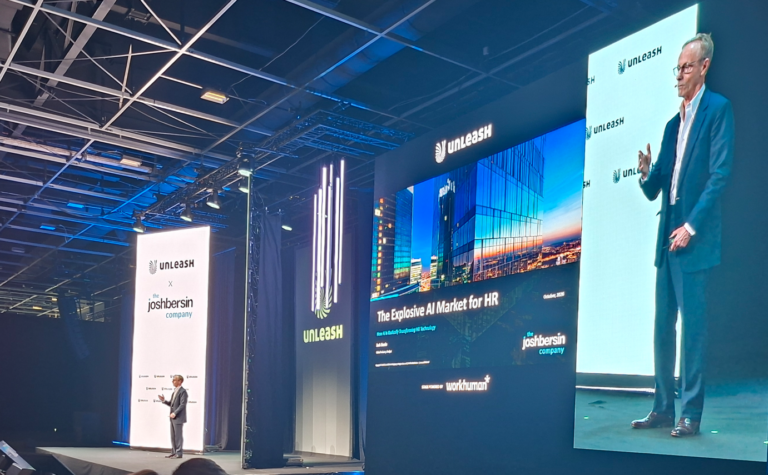
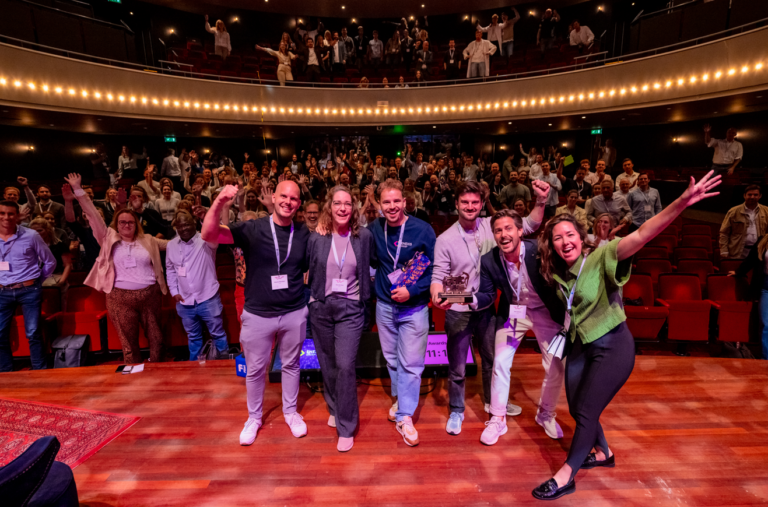
Remy Gieling[/caption]
It is something of a Catch-22, of course. On the one hand, Dutch companies have great confidence in A.I. to reduce, or at least support, their human input. But on the other hand, they also see the shortage of staff as the greatest barrier to implementing that very A.I., according to an analysis by Digital Realty, Gcore and ai.nl, the A.I. platform of, among others, Remy Gieling, keynote speaker on 9 November at the annual A.I. and recruitment conference.
‘Technology is no longer the limiting factor for A.I.’
‘Technology is no longer the limiting factor when it comes to building a future-proof organisation’, says Gieling. ‘It has now become a leadership challenge. It is now up to leaders to decide whether they are willing to invest enough time and resources to reap the benefits of A.I.’
Outdated infrastructure
And therefore also whether they are willing to devote sufficient manpower to it. No fewer than 24% of the more than 300 respondents in the study say they see talent scarcity as the biggest obstacle to implementing A.I. in their own organisation, with both difficult integration with existing systems and outdated IT infrastructure also ranking highly.
Read this article in full
Become a Werf& member for unlimited access to all articles, research and exclusive insights into the labour market.
No obligations Cancel anytime Secure payment