A year and a half after the end of the enforcement moratorium on false self-employment, fears of an enormous shock to the flexible labour market have not materialised, but the damage can nevertheless be called substantial. The share of flexible professionals in the highly educated labour market, for instance, fell from a peak of 22% at the end of 2024 to 18% in the second quarter of 2026, accounting for approximately 775,000 of the total 4.2 million higher professional and university educated people. On the other hand, rates are still rising, and fewer self-employed professionals are actively looking for an assignment, both relatively and absolutely, according to the latest Talent Monitor, a study by Intelligence Group and HeadFirst.
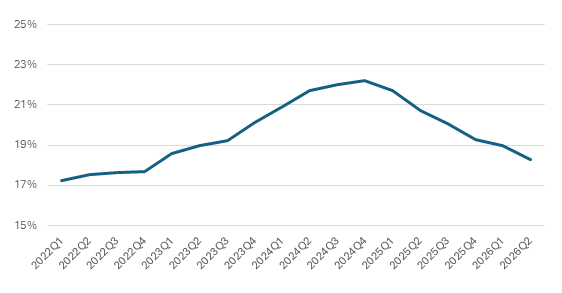
Anticipation of enforcement appeared to have more impact than enforcement itself.
Although full enforcement is still far from a reality, many clients appear to have tightened their hiring policies and reduced their flexible workforce in anticipation. Possibly as a result, the active job-search activity of professionals is cooling. Among self-employed professionals, the share actively seeking an assignment stands at around 22% to 23%, compared with 25% at the start of last year. Among seconded professionals, the peak in search activity was even greater: from 32% in 2024 to 24% now. Willingness to switch between permanent and flexible work has meanwhile remained surprisingly stable: around 13% of the self-employed professionals surveyed say they are considering employment, and the declining appetite among employees to become self-employed also appears to have come to a halt, likewise at around 13%.
Read this article in full
Become a Werf& member for unlimited access to all articles, research and exclusive insights into the labour market.
No obligations Cancel anytime Secure payment
Related event
Arbeidsmarkttrends 2027-2030
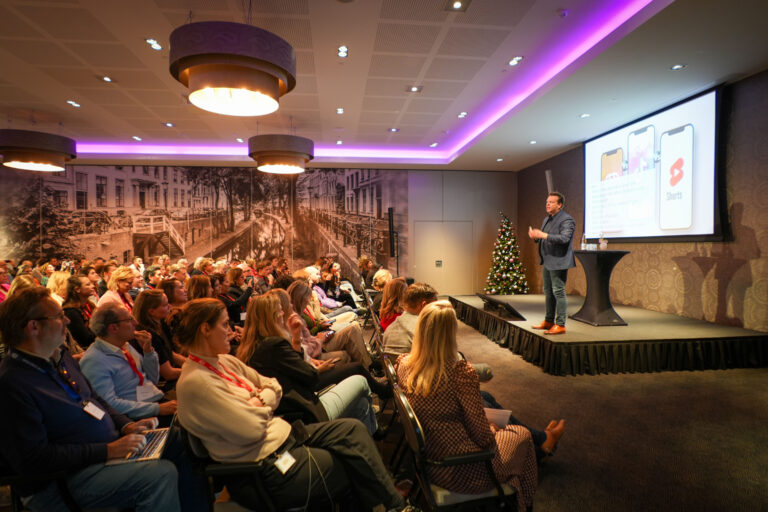
We zijn uitverkocht. Maar goed nieuws!Arbeidsmarkttrends 2027-2030 is volgeboekt. Goed nieuws: op 28 januari 2027 organiseren we een tweede editie, met dezelfde sprekers en hetzelfde programma. Zorg dat je er alsnog bij bent.Bekijk de editie van 28 januariAl jaren geven de beste sprekers en specialisten een arbeidsmarktupdate en een doorkijkje naar de arbeidsmarkt van de […]
Odido