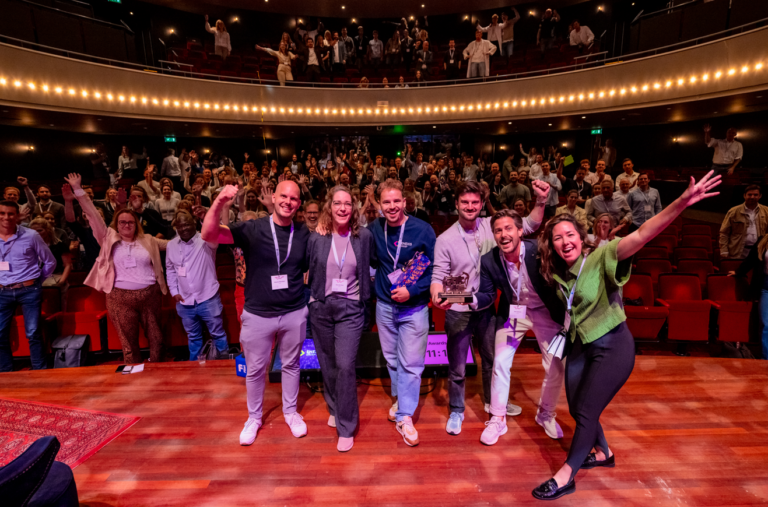
The Dutch labour market is extremely tight – and ageing means it will remain so for a long time. At the same time, more people are needed in healthcare, for the energy transition and in the Netherlands’ growing technology sector. Meanwhile, the new cabinet wants… less labour migration and to drive away international students. What will this look like in practice? What happens if this restrictive policy really starts to affect the economy and public services? During the Internationalisation of the labour market conference on 9 September, economist and journalist Mathijs Bouman will seek answers to these questions.
‘If you look at the facts objectively, you soon come to the conclusion that we simply need labour migrants.’
As the opening speaker, economist and journalist Mathijs Bouman mainly wants to examine labour migration from a macroeconomic perspective. According to him, with the current labour shortages, this is ‘the worst possible moment’ for anti-immigration sentiment. ‘The only form of labour migration that we can stop quickly would affect precisely the people we need most’, he says.
Read this article in full
Become a Werf& member for unlimited access to all articles, research and exclusive insights into the labour market.
No obligations Cancel anytime Secure payment