Koen’s cards (22): Why do candidates feel like a number?
Kandidaten onthouden niet dát ze zijn afgewezen, maar hóé ze dat zijn, weet Koen Roozen. Waarom zou je daar dan als recruiter niet een beetje meer tijd voor vrijmaken?
Ouch… A candidate applies. She receives an automatic confirmation: ‘Thank you for your application. Reference number: 2847-NL-Q3.’ Two weeks later, an automated rejection: ‘Unfortunately, we are unable to take your application further.’ No name, no explanation, no personal contact. She writes on LinkedIn: ‘Applying to company X feels like a lottery. You are a number, not a person.’ Around 50 people like her post. You do not even see it. Meanwhile, you wonder why your employer brand is not gaining traction.
Every automated rejection is a missed opportunity to win someone over.
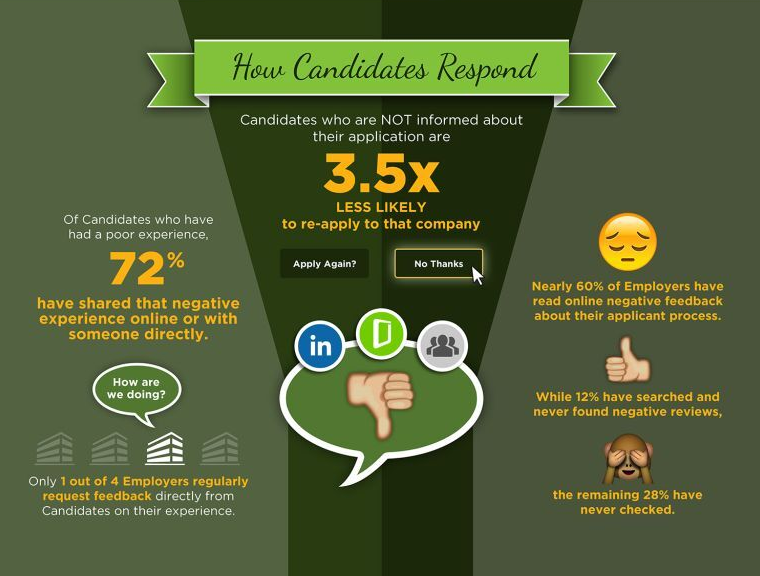
Why do we keep doing this? We automate because we think it is efficient. With 80 applications per vacancy, we cannot speak to everyone personally. So we send templates. But what we forget is that every candidate is a potential ambassador or saboteur. Research by CareerArc shows that 72% of candidates with a poor experience share it on social media. And 55% consider never applying to that company again. Every automated rejection is a missed opportunity to win someone over.
This week’s card
This week’s card confronts you with this reflex for efficiency. ‘Candidates sometimes feel like a number rather than a person. Why is that, and what do they do with that feeling?’ The reflection question is confronting: ‘What if we added 1 personal sentence to every rejection explaining why this candidate is not the right fit? What would that achieve?’
‘What if we added 1 personal sentence to every rejection explaining why this candidate is not the right fit?’
Why this question works? This question forces your team to think in terms of value and relationships rather than volume. We focus on how many applications we process, not on how we process them. By asking for 1 personal sentence, you make it achievable. It is not an hour per candidate; it is 30 seconds. The team discovers for itself: those 30 seconds can make the difference between a disappointed candidate and a respectful rejection.
Discuss this with your team for 10 minutes. First, let everyone reflect quietly: when were you yourself rejected for something (a job, course, pitch)? How did a cold rejection feel compared with a personal one? (2 minutes). Share those experiences (5 minutes). Choose one concrete action: to which candidates will we always add a personal sentence? (3 minutes). The answer is already in the room, not in a CRM system.
The craftsperson’s secret
A candidate who feels like a number tells others about it. She tells friends, family and colleagues. She posts it online. Meanwhile, you invest in employer branding campaigns with beautiful photos and inspiring quotes. But as soon as someone applies and receives a cold reference number, your beautiful story collapses. The result: your branding and your practice contradict each other. Candidates no longer believe your story because they have experienced the reality.
As soon as someone applies and receives a cold reference number, your beautiful story collapses.
What you can do tomorrow. Tomorrow morning, take your list of candidates you are going to reject this week. Choose the 5 candidates who have progressed the furthest (for example, after a first interview). Write 1 personal sentence with each rejection: ‘We chose someone with more experience in data analysis, but your presentation was strong.’ That takes 2 minutes per candidate. Ten minutes in total. There is a good chance that at least 1 candidate will respond with: ‘Thank you for the personal feedback, I really appreciate it.’
Resistance script:
Team member: ‘We receive at least 80 applications, we really cannot reject everyone personally.’
You: ‘True. But what if we only reject personally the candidates we have spoken to? That may be 8 per vacancy. That is 8 times 5 minutes. Not even an hour! How much reputational damage would that prevent?’
Candidates do not remember that they were rejected, but how they were rejected.
What is likely to happen? The first time you send a personal rejection, it will feel uncomfortable. But the responses will surprise you. Candidates thank you. Some ask for tips. One candidate says: ‘I would be happy to apply again when you have another vacancy.’ Step by step, you notice that candidates speak more positively about your process. After a few months, you see that your Glassdoor reviews become more nuanced. People write: ‘I was rejected, but the process was respectful.’ That is the moment when you know: this works. Candidates do not remember that they were rejected, but how they were rejected.
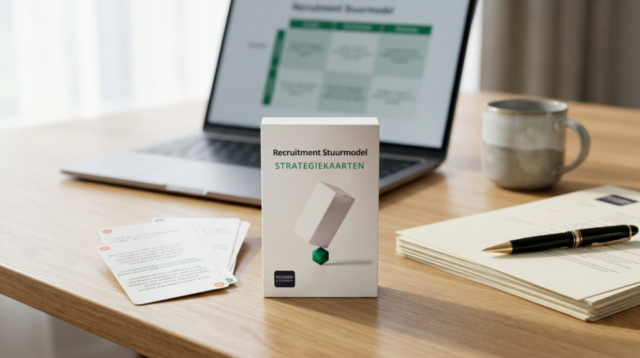
Do not want to wait for the next question? Order your own Recruitment strategy card deck. You do not need any preparation or an external facilitator. Simply draw one card each week, discuss it with your team for 10 minutes and choose 1 concrete action. That is how you build a recruitment department step by step that really makes a difference.
Ben je klaar om je recruitmentcarrière naar een hoger niveau te tillen? De Leergang Strategisch Recruitment biedt je de perfecte mogelijkheid om je kennis te verdiepen en je professionele groei te versnellen. Als ervaren recruiter of recruitmentmanager ontwikkel je strategische inzichten en vaardigheden die je een sterke en leidende gesprekspartner maakt voor het management. Je […]
LinkedIn is increasingly losing ground among jobseekers, according to new research by Intelligence Group. But is there already a fully fledged alternative available?
Preboarding often involves nothing more than a great deal of information transfer. But it is also a good time to discuss behaviour and clarify expectations, says Buket Çiçek (QuizFlight). What does she envisage?
It was an article on Werf& that set Robin Hildenbrant on the trail of his new company, Green Flags. Because if everyone talks endlessly about the candidate experience, why had there not been an agency conducting mystery applications before?