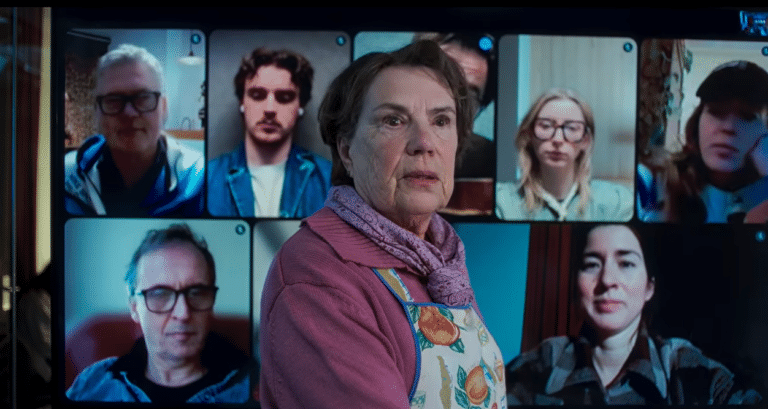
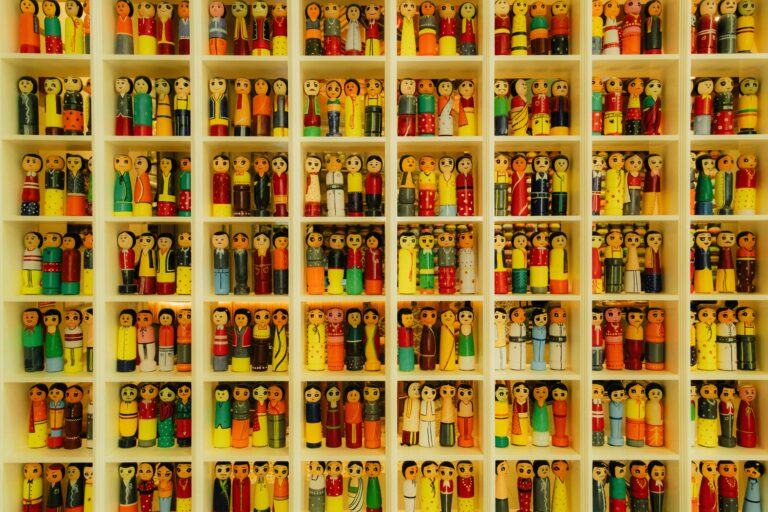
Diversity, inclusion and equality. Often referred to in English as DEI. It may seem to have disappeared from the agenda somewhat this year, particularly following the downfall of the Equal Opportunities Monitoring Act. But the development towards a more diverse, inclusive and equal labour market is, of course, continuing nonetheless. And these 3 trends each contribute to this in their own way.
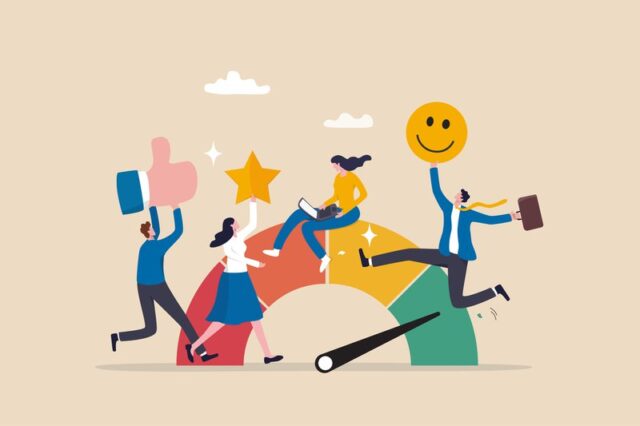
#1. Employee engagement
 What does employee engagement have to do with diversity? A great deal, says Sara Al Asady, RPO recruiter and D&I specialist at EN HR solutions. ‘Engagement is increasingly being seen as more than simply speaking out about the area in which you are an expert. Feeling included, expressing yourself as you are, stating your own gender, toilets for everyone, equality in the workplace. You feel seen and heard, at every level of the organisation. You are given the space to provide feedback, but you also give honest feedback yourself. It is all part of it.’
‘If there is room for input, employees feel they are taken seriously and are less likely to leave.’
The more attention is paid to engagement, the more diversity and inclusion can flourish, according to Al Asady. ‘Conversations with employees can concern day-to-day work, personal needs and opportunities for growth. But when a company has to make decisions, employees also like to contribute their thoughts. If there is room for input, employees feel they are taken seriously and are less likely to leave.’
#2. Data-driven recruitment
The trend towards increasingly data-driven working also contributes to diversity, inclusion and equality, according to Sara Al Asady. ‘The more data-driven you work as a recruiter or organisation, the less subjectively you can act. This allows you to make more objective decisions based on data. Your own opinions and biases then become less important.’
‘The more data-driven you work as a recruiter or organisation, the less subjectively you can act.’
Based on data, she says, you can even gain insight ‘into all kinds of matters that can help you make decisions. You no longer launch a new (D&I) project based on gut feeling, but on what is happening within the organisation and what is needed. The future is therefore a more data-driven HR policy that uses objective data and analysis to support decisions and increase the effectiveness of HR initiatives, including those relating to diversity and inclusion.’

#3. Flexible working
 Then there is another trend that you may not immediately associate with diversity or equality, but which secretly has a great deal to do with it: flexible working. ‘Organisations are embracing flexible working in all its forms, sizes and variations. Not only to be more inclusive, but also to respond to a growing need among employees, including a new group of employees,’ says René Kleinveld, Recruitment Innovation Consultant at EN HR solutions.
‘Swapping public holidays according to personal preference is a good example of a new form of flexible working.’
‘There is the traditional meaning of flexible working, in which you as an employee determine which days and hours you work according to your own needs. A good example is how we in the Netherlands overwhelmingly work part-time. This idea is increasingly being expanded to include swapping public holidays according to personal preference,’ she says. Which is good for diversity. But also consider flexibility in terms of work location. ‘Thanks to coronavirus, we know that you can work perfectly well from home or from any location other than the office. This means employers are more likely to permit remote working or working from abroad.’
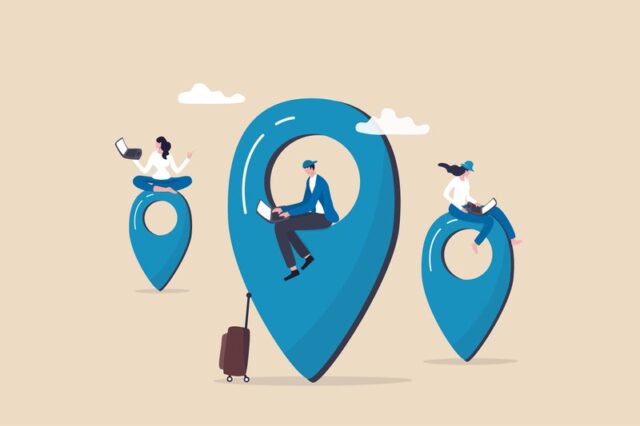
And that too can help advance diversity and equality, according to Kleinveld. ‘But flexible working is not only about flexibility in terms of location and working hours, but also in terms of employment conditions. Employees increasingly want to have a say in their own employment conditions. Consider, for example, granting a short sabbatical to gain new insights. Or consider activity based working: people choose the workplace that best suits their activities. Offices with spaces for hybrid meetings, lounges for meeting others, brainstorming rooms, acoustic booths for video calls, and so on.’
Want to know more?
Contact the diversity specialists at EN HR solutions:
Diversity