Tight labour market? Look to the whole world, and there is, of course, plenty of talent. At Undutchables, we have been working with multilingual staff for 28 years, both people who already live in the Netherlands and people relocating from abroad, so we understand the challenges and, above all, the benefits of employing an international workforce. This great source of talent could be exactly the solution your company is looking for in today’s labour market. But how do you approach it? How do you get the most benefit from this underused talent pool?
3 significant shifts
Let us first look at 3 significant shifts we are currently seeing in the Dutch and global labour market:
#1. Scarcity: The shortage of skilled staff is becoming an increasingly urgent issue. Economic growth combined with an ageing population is creating high demand for skilled workers, but whilst some companies are finding creative ways to address this issue, many others still struggle with how to deal with having more vacancies than available candidates.
#2. Laws and regulations: Many governments have recently been paying more attention to their employment legislation. In the Netherlands, this has already led to several policy changes concerning requirements for temporary workers, work permits and more, with further amendments expected in the near future. Some of these changes are opening up recruitment options, such as work permits for self-employed professionals or reduced financial requirements for start-ups hiring foreign workers. Other changes are aimed at creating a stronger economy through clear policies and user-friendly systems.
Many governments have recently been paying more attention to their employment legislation.
Of course, some changes, such as the proposed abolition of the 30% ruling for international employees or stricter permit requirements, can also create additional challenges. With all these political developments continuing to shape the labour market landscape, it is important to stay up to date with current policies and upcoming legal changes, to ensure you can easily navigate the complex landscape of employment regulations in the Netherlands and worldwide.
#3. AI and digitalisation: The rise of AI and digital technologies has recently caused a huge shift. This is also transforming job requirements. Some jobs are gradually being phased out because they are being replaced by automation. Other jobs are being adapted or created specifically to work efficiently with digitised processes. At the same time, the use of machine learning in the workplace is increasing exponentially. This evolution in the types of jobs and tasks required reinforces the need for a diverse talent pool.

Adding diversity
With all these challenges, why should you add international and cultural diversity to the mix? Because diversity, besides being a proven positive factor for business success, can also provide a solution to the difficulties brought about by a tight labour market.
- Diversity solves scarcity: By tapping into the global talent pool, you can tackle the shortage of skilled workers in your local networks in a creative and effective way and help fill vacancies with excellent results. Not only will this expand your list of potential candidates, but you will also find a diverse group of candidates already present in your own backyard. Changing the parameters of your search and expanding your network can be a great way to gain an advantage in a recruitment market that constantly complains about scarcity.
- A better reflection of your target audience: A diverse internal team that reflects your customer base is better equipped to understand and meet the needs of your target audience. Your team will be better able to use their personal insights to improve processes that work better for your customers. This will enable team members to feel valued for their input, whilst allowing your company to tailor products more effectively to customer needs.
- Broaden your customer base: Diversity also helps you resonate better with a wider audience. In addition to improving processes with target audience insights, reflecting the diversity of your customers internally and in your marketing efforts can also help expand your reach further. If a greater variety of customers recognise themselves in your brand and see that you are focusing on their specific needs, they are more likely to use the products and services you bring to market. This is a great way to expand your business into new markets whilst improving your internal team culture.
- More innovative ideas: Listening to different perspectives encourages creativity and resourcefulness. A team made up of individuals from diverse backgrounds means more ideas because of the different ways each person approaches a situation. This means you will see more out-of-the-box thinking, new perspectives, creative solutions and, in general, more input and potential for collaboration. This continuous innovation enables you to respond to opportunities to improve current processes and introduce new ways of working that benefit your team, and your results.
- Higher revenue: Diverse teams can generate higher revenue through innovation and market expansion. With all the added creativity, market knowledge, broader customer base and stimulating company culture that come with a more diverse workforce, it is no surprise that this will also increase your profit potential.

How you can benefit from this
‘International talent’ may sound like something that requires a long boat or train journey, or at least an extensive internet search. In reality, many excellent international candidates are already present in the Netherlands, but many companies simply do not know how to find and utilise this talent. The first step is knowing where to find these jobseekers and how to ensure your vacancy postings and company culture attract the talent you are looking for.
The key to becoming visible to international talent is to adapt your approach accordingly.
The key to becoming visible to international talent is to adapt your approach accordingly. Branding initiatives that highlight diversity and writing inclusive job adverts are a good start. However, the strategy must go beyond appearances alone. A recruitment strategy that supports international jobseekers, together with improving internal culture and processes to retain these employees once they have been hired, will help you truly gain access to this part of the talent pool. But first, here are some tips to ensure your marketing strategy targets the international audience.
Tip 1: Explore your target audience:
The first step is always to get inside your audience’s mind, so you can understand their motivations, values and needs. This can be especially challenging when it comes to reaching international candidates, as this target audience contains many variables. Considering a few specific questions can put you on the right track. For example:
-
- Where are they looking? Find out which platforms and channels your target candidates use. International candidates may, for example, use country-specific alternatives to LinkedIn (such as Xing in Germany) or spend more time on platforms specifically designed for expats.
- What are they looking for? Identify the main factors that attract them to an employer. This may differ for international jobseekers compared with local candidates, as they may value a role where English is the company language or an employer that offers Dutch lessons as part of the package.
- Why are they looking? The factors that motivate internationals to look for a job in the Netherlands may also differ somewhat from the general local workforce. Sometimes, for example, they leave behind a great career to relocate for love, or they may simply be looking for adventure and better opportunities in a new market.
By finding the answers to these questions, you will gain a better understanding of the specific needs of international jobseekers and can tailor your recruitment strategy accordingly.
Tip 2: Make sure you convey diversity and inclusivity:
Your brand must reflect a commitment to diversity, and not only in job descriptions for international teams. This requires extra attention to how you use inclusive language in job adverts, how you select multicultural imagery for LinkedIn posts, and how you show the diversity of your team online. International jobseekers looking for inclusive workplaces will be attracted by the clear image of diversity you convey.
Tip 3: Provide touchpoints throughout the candidate journey:
It is not just about image: you also need to deliver on what you promise. There are many moments during the recruitment process when a candidate comes into contact with your company. They will apply online, exchange emails with your team members, attend interviews at your office and more. From the first contact through to onboarding, every interaction should be welcoming and inclusive.
For example, always tell international talent how they can get to your office by public transport.
This includes considering the specific needs of your international candidates and offering them the support they need, for example by ensuring that all recruitment information is available in English or, if they are new to the country, by providing details about how they can get to your office by public transport. By ensuring international candidates can easily access everything they need at every stage of the candidate journey, they will feel attracted to your company.

Talent acquisition and retention
Once your branding is ready, the real talent search can begin. Ideally, many jobseekers will already find you themselves thanks to your new and improved marketing strategy, but that is not the only thing you need to adapt to ensure you bring the right international talent on board. Your brand image is only the beginning. Refining your recruitment strategy to appeal better to international candidates and focusing on factors that improve retention will truly help your efforts pay off.
Part 1: Recruitment
When it comes to recruitment, you need to focus both on how to make your internal recruitment process more inclusive and smoother, and on how to improve your job adverts to make them more attractive to the diverse audience you are seeking. This may require some adjustments, so we have included several key points to consider as you redesign your recruitment strategy.
- Assess which skills are essential: It is tempting to include every possible desired skill for a role in the job advert, whether it is truly a must-have or simply a nice-to-have. By focusing on the skills that are essential for the role, rather than including an exhaustive list of qualifications, you can attract a wider group of candidates. This gives you the opportunity to review applications you might otherwise not have received, but which may have exactly the skills that are most valuable for the role.
- Write a strong job advert: Naturally, you want to write a job advert that clearly describes the role and requirements. Whilst doing so, make sure you choose your words carefully to avoid unconscious bias and stereotypes in your job description.
- Create a mixed interview panel: Ensure diverse representation on your interview panels. Invite employees from different backgrounds, nationalities, roles and genders to be part of the process. This helps eliminate bias in the internal decision-making process and ensures your candidates feel welcome and can immediately see that the company truly believes in diversity.
- Train your hiring managers: The first impression potential new employees gain of you comes from the interviews they attend and the hiring managers they meet. Train your management and recruitment teams to make diversity a priority, so this comes through in the interviews they conduct.
- Get your entire organisation on board: If diversity initiatives are encouraged and supported throughout the organisation, rather than only by HR, it becomes natural to make them part of the recruitment process and an inclusive environment is created for international talent. This requires you to evaluate your company culture and potentially make changes. Help your employees see the value of a diverse team. It always starts with the leaders in your company, so involve them first by outlining to your managers the many benefits of working with diverse talent.
Part 2. Retention
In a tight labour market, it can be tempting to focus solely on bringing in talent. Unfortunately, this too often means that once a candidate has said yes, the next equally important stages are forgotten. However, creating an onboarding plan and a culture in which international employees can thrive are essential for retaining your employees. This also means that you will ultimately have fewer open roles to fill and will largely avoid the pain of recruitment in a scarce market. How do you do that?
- Create an onboarding plan: Make sure the onboarding programme you have is clear and useful for international colleagues too. Ensure training is available in a language the employee understands and that the mentors they can contact reflect the diversity you are trying to build. Also remember to involve different perspectives in your onboarding strategy. This helps you cover all angles, so you can offer all new employees an excellent introduction to the company.
- Incorporate diversity into onboarding: Make diversity and inclusion an integral part of the onboarding agenda. Show interest in the unique talents and experiences the new employee brings, both professionally and personally. You can also use this opportunity to communicate clearly about your company’s values and objectives relating to diversity.
- Create an inclusive culture: Ensure your commitment to a thriving diverse workforce continues after onboarding has ended. Promote an environment in which everyone feels valued and knows they belong by fostering a culture that encourages diversity at every level.
- Ask for feedback regularly: Keep improving continuously by asking your international employees for feedback. No one can tell you better whether you are doing your inclusion initiatives well than the employees who feel they are the most diverse team members. Let them know that their voice is valuable and that you are interested in making improvements based on their feedback.
Conclusion
The benefits of international talent are clear, from addressing labour shortages to driving innovation and building a broader customer base. By adapting your marketing strategy, adjusting your recruitment strategy to attract international talent, and improving your internal culture and processes to retain these employees, you can position your company for success in an increasingly global market. Before you know it, you will already be 10 steps ahead, because whilst your competitors struggle to find talent in a saturated market, your multilingual team will already be getting on with the job.
 About the author

Aubrey de Wilde is a Digital & Content Marketeer at Undutchables, specialising in working with international talent. Get in touch to discover how they can help you make the most of this valuable talent pool.
Want to know more?
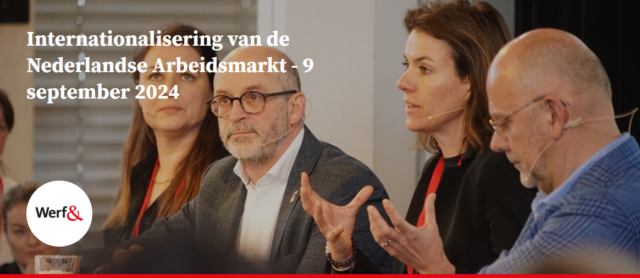
In 2023, the first edition of the Internationalisation of the Dutch labour market conference took place in Rotterdam. Together with OTTO Work Force, the second edition will take place in The Hague on 9 September. During this conference, participants will be inspired by the facts, context, practice, best practices, dilemmas, challenges, issues and solutions. No sacred cows, just facts and practical experience. Problems and solutions. So register now:

Undutchables Recruitment Agency
Undutchables Recruitment Agency; Your partner for international staff As the world gets smaller, your need for a globally competitive business grows. You seek a…