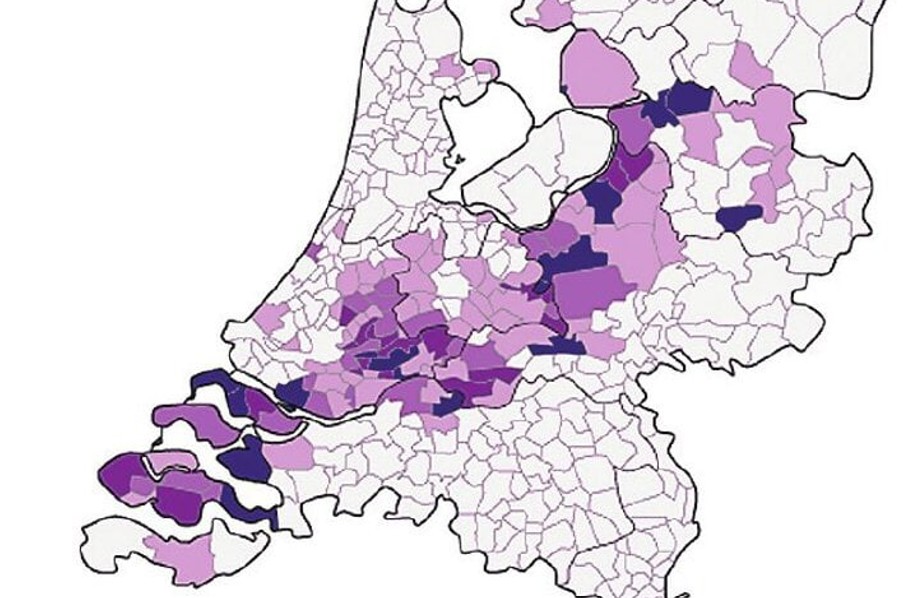
The Dutch Bible Belt is an unfamiliar and unexplored area for many recruiters. A strip stretching from Zeeland via the Veluwe to the northern tip of Overijssel, where more than half a million workers are based who behave (fundamentally) differently from the average Dutch working population when looking for work. Anyone approaching this region with the standard recruitment mix of LinkedIn InMails, TikTok campaigns and a job advert full of ‘Friday afternoon drinks’ therefore has a good chance of missing out completely.
Applying for a job on Sunday is not advisable here (if it is even possible at all).
Many people who work or do business in the Bible Belt (or in Limburg, the Eindhoven Brainport region, Urk, Fryslân, the Achterhoek and even Texel) experience unwritten rules (mores) about how the labour market and business world operate. Many of these mores cannot be ‘measured’, but the Bible Belt is large enough to reveal demonstrable and significant differences in the data from Intelligence Group. It is a region with, for example, structurally lower sickness absence, where a promise is still a promise, the social network remains firmly in place, but applying for a job on Sunday is not advisable (if it is even possible at all).
Read this article in full
Become a Werf& member for unlimited access to all articles, research and exclusive insights into the labour market.
No obligations Cancel anytime Secure payment
Related event

Strategisch Recruitment in de praktijk
De tweedaagse voor de strategische praktijk onderbouwt met de laatste innovaties, data, en modellen In de hedendaagse wereld van schaarste, tekorten en ‘de war for talent’ binnen talent acquisition is een strategische kijk en aanpak van recruitment essentieel. Deze tweedaagse training ‘Strategisch Recruitment in de praktijk’ biedt je de handvatten om recruitment naar een modern […]
Rotterdam
Intelligence Group
Intelligence Group: empowering recruiters to help them find the right talent Intelligence Group is een internationaal Data & Techbedrijf op het gebied van a…