
This week I heard an HR manager say: ‘I’m a bit old skool, but that works just fine here.’ I was rather surprised. Imagine a finance director saying they have no interest in current figures. Or an IT manager who thinks security updates are a fad. We’d question that. Not in HR. There, we call it experience.
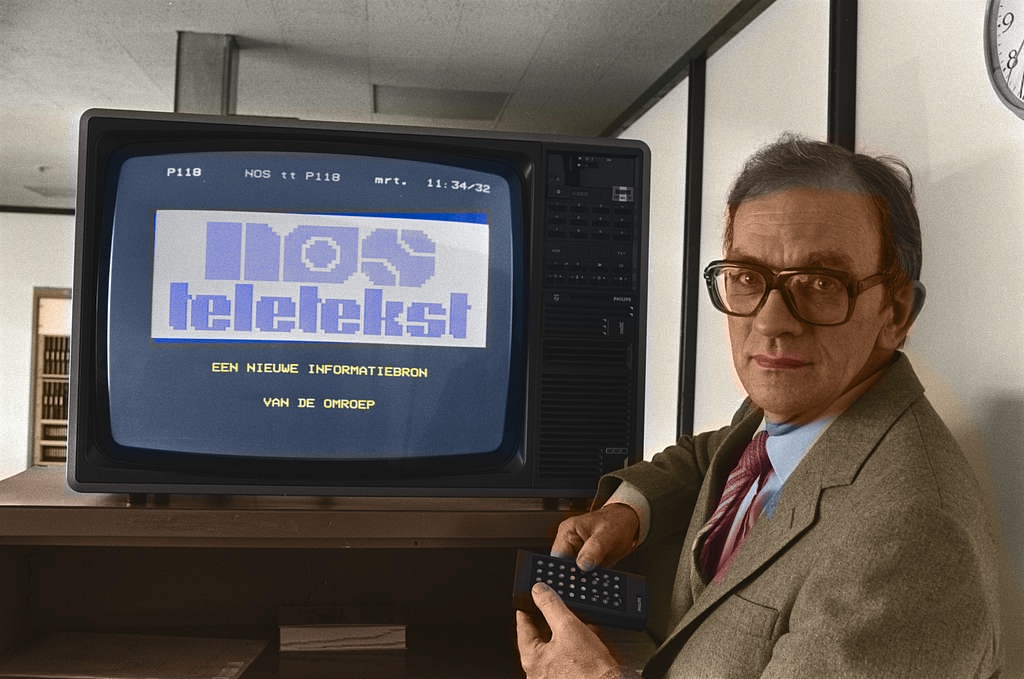
Old skool sounds endearing. A record player. A leather football. Teletext.
‘I’ve been doing it this way for 25 years.’ That could mean 2 things. It could mean you’ve spent 25 years learning. Or that you’ve repeated 1 year of experience 24 times. Old skool sounds endearing. A record player. A leather football. Teletext. But here we’re talking about people, careers and opportunities. Your way of working deserves more justification than the date you joined.

Procedure successful. Candidate gone
Because what does old skool often mean in practice? The job advert has to go past 3 people first. And as soon as the applications come in, you want another 2 interviews, an assessment and a signature from someone who’s on holiday. Meanwhile, the candidate signs a contract elsewhere. ‘Apparently they weren’t that motivated after all,’ you say. What a wonderful profession. Even when our process is too slow, we turn it into a shortcoming on the candidate’s part. We don’t lose people. We filter them. For patience, presumably.
‘Even when our process is too slow, we turn it into a shortcoming on the candidate’s part…’
‘Our procedure works just fine.’ For whom exactly? The candidate who has to wait for weeks? The manager trying to fill shifts? Or the committee that approved the form? Every box ticked. Just nobody hired. No complaints. But they’ve left. The applicant withdraws. The employee keeps their ideas to themselves. The manager sorts it out themselves. The best member of staff leaves. Around the meeting table, all is quiet. ‘Look, hardly any complaints.’
Silence does not mean satisfaction
We like to read silence as satisfaction. But those who walk away usually don’t come back to explain why. A way of working can carry on for years thanks to the people who no longer say anything about it. One has given up. Another has resigned. The minutes say there’s nothing to report. And we recruiters? We grumble about a conservative HR department and then dutifully send a sixth reminder asking for feedback.

A way of working can carry on for years thanks to the people who no longer say anything about it.
We’ve become adept at passing delays along. ‘That’s just how things work here.’ ‘It’s with the manager.’ ‘HR still needs to take a look.’ ‘Yes, I’m waiting for a response too.’ All potentially true. But none of it helps the candidate. So, recruiter, ask more questions. Ask why that extra round of interviews is necessary. What we hope to discover that we missed the previous 2 times. How many candidates are we prepared to lose so that nobody internally has to be chased?
Experience needs testing too
And what does a month without an employee cost? In overtime, lost revenue and workload? If we don’t know that, how do we know our procedure works well? Your gut instinct could do with a performance review too. Of course, experience has value. An experienced HR professional knows the organisation, recognises patterns and is willing to have difficult conversations. But experience needs to be tested too.
Your gut instinct could do with a performance review too.
‘I can tell straight away whether someone is a good fit.’ I’m happy to believe it. But how often do you check afterwards whether you were right? The candidate you rejected who excels elsewhere rarely features in your evaluation. That’s how your gut instinct can maintain an excellent reputation for 25 years without ever being properly assessed. Surely HR should have a form for that.
When is it your turn?
You don’t have to chase every trend or AI tool. But you do need to be able to explain why your approach works today. What you’ve adapted, unlearned or reconsidered. HR expects all employees to learn, managers to grow and teams to change. So it’s fair to ask in return: what do you actually do better today than you did 5 years ago?
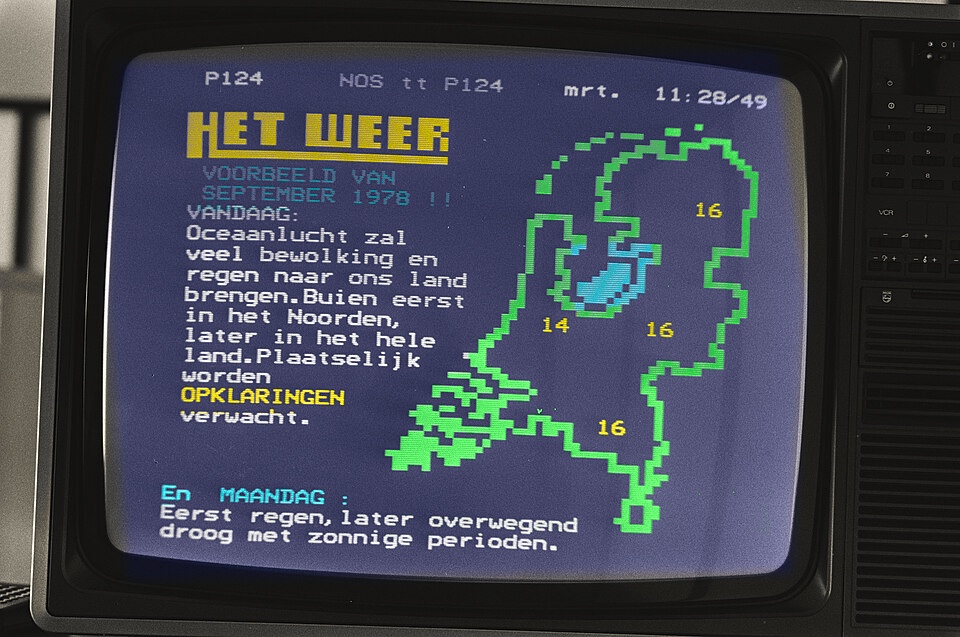
Page 101 refreshes itself every day. Do you?
And who gets to tell you what you could do better? The employee you assess? The candidate you reject? The recruiter waiting for your approval? Make that conversation just as routine as everyone else’s development review. Prefer old skool? Fine. But even page 101 refreshes itself every day. Do you?
About the author

After years as a recruiter and entrepreneur – including at Strictly People, which he sold in 2022 – Wim van den Nobelen (Tilburg, 1969) now advises and trains recruitment and staffing agencies on growth and development. He is the author of From recruiter to entrepreneur, in which he shares his experiences, and of course Wim on Wednesday, with more than 300 blog posts about the recruitment profession.
He also provides training (From recruiter to top entrepreneur) and is managing director of Motiview, an innovative tool that measures candidates’ motivation through video analysis and predicts successful hires.
Read also
Source of Teletext photo: Nationaal Archief, colourised using AI.
Related event
Arbeidsmarkttrends 2027-2030
We zijn uitverkocht. Maar goed nieuws! Arbeidsmarkttrends 2027-2030 is volgeboekt. Goed nieuws: op 28 januari 2027 organiseren we een tweede editie, met dezelfde sprekers en hetzelfde programma. Zorg dat je er alsnog bij bent. Bekijk de editie van 28 januari Al jaren geven de beste sprekers en specialisten een arbeidsmarktupdate en een doorkijkje naar de […]
Odido