‘At Philips, I deliberately built Talent Intelligence outside of sourcing and recruitment.’
‘At the time, I called it little more than “sourcing intel”, but it did not really have a label. There were some tools, but they were very data-driven, while my team consisted of sourcers, not economists or data scientists. It was only later, at Philips, that the term Talent Intelligence really gained meaning for me. There, I had to build a Talent Intelligence function from the ground up. I went looking for others doing something similar, so that I could benchmark. From the start, my managers saw its potential, and we were able to position it as a consulting function for the business, deliberately separated from sourcing or recruitment.’
Explosive growth, followed by the blow
At Philips, he started on his own and eventually built a team of around 25 people. ‘Less than 5% of our work was still about individual vacancies; the rest was directly for the business: strategy, mergers and acquisitions, factory transformation, real estate. It happened to sit within sourcing and HR, but at its core it was simply business work. We were fortunate that the company was hungry for this kind of insight, which allowed us to scale up quickly. We were even occasionally pitched against firms such as McKinsey, with our project running in parallel with theirs to see who delivered the best work.’
Read this article in full
Become a Werf& member for unlimited access to all articles, research and exclusive insights into the labour market.
No obligations Cancel anytime Secure payment
Related event
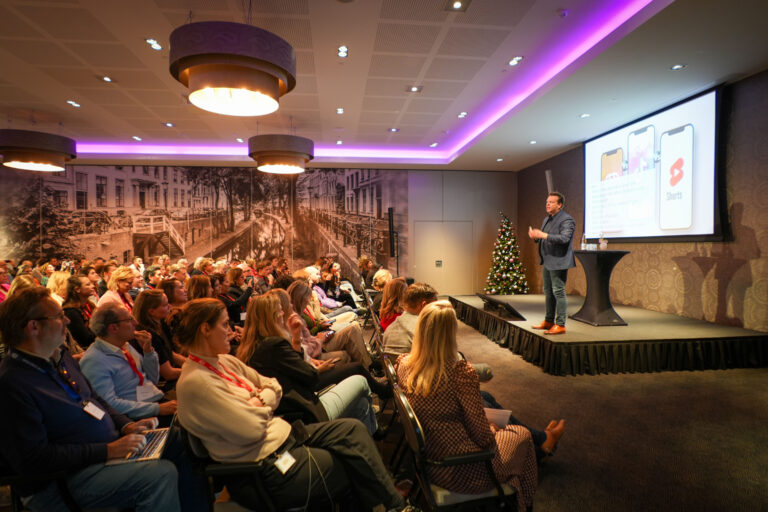
Arbeidsmarkttrends 2027-2030
We zijn uitverkocht. Maar goed nieuws!Arbeidsmarkttrends 2027-2030 is volgeboekt. Goed nieuws: op 28 januari 2027 organiseren we een tweede editie, met dezelfde sprekers en hetzelfde programma. Zorg dat je er alsnog bij bent.Bekijk de editie van 28 januariAl jaren geven de beste sprekers en specialisten een arbeidsmarktupdate en een doorkijkje naar de arbeidsmarkt van de […]
Odido